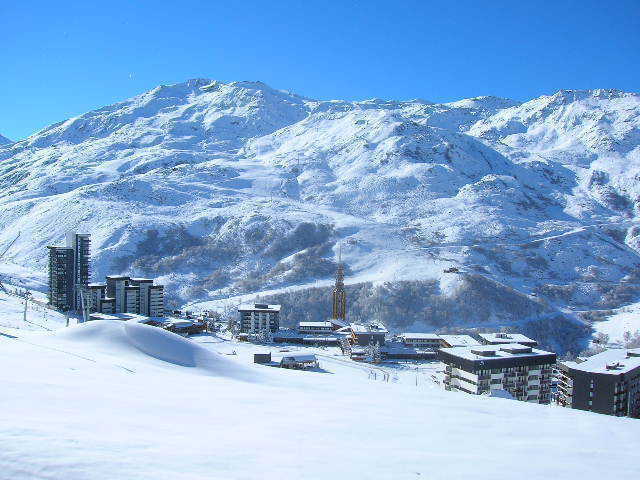
Home insurance in the mountains: the specific cover options you should check first and foremost!

Home Insurance in the Mountains: What Should You Check Before Winter?
In the mountains, winter puts properties to the test. Between heavy snowfall, freezing temperatures and periods when ski resorts close, an apartment or chalet can sustain significant damage in just a few hours. For property owners, home insurance for a mountain property must therefore go beyond standard cover for fire or water damage. It should also take into account altitude, weather conditions and how frequently the property is occupied.
Whether you own a family chalet, a second home or an apartment in a ski resort used for holiday rentals, several key points deserve particular attention before winter arrives.
Why Is Specialist Home Insurance Important in the Mountains?
Weather-related risks: snow, frost and severe weather
At high altitudes, weather conditions can put buildings under considerable strain. Heavy snow accumulating on a roof, a frozen pipe or water ingress caused by melting snow can lead to costly repairs. Balconies, terraces, gutters and outdoor installations are also exposed to these risks.
Mountain weather risks are not necessarily covered in the same way by every insurance policy. Comprehensive home insurance may include several useful protections, but coverage conditions, claim limits and excesses vary from one insurer to another.
The specific needs of a second home in a ski resort
Second home insurance must take into account periods when the property remains unoccupied. A water leak, for example, may go unnoticed for several days, allowing moisture to damage floors, walls and furniture, and potentially affect neighbouring apartments.
Your policy may impose specific requirements when the property is unoccupied, such as shutting off the water supply, draining the plumbing system or maintaining a minimum indoor temperature. Some insurers also apply restrictions after extended periods of absence.
It is therefore essential to check the terms and conditions relating to a property left unoccupied during winter, rather than assuming that standard cover will automatically apply without restrictions.
Key Insurance Cover to Check in Your Policy
1. Snow cover and the weight of snow on the roof
Snow damage cover may protect against certain types of damage caused by the accumulation of snow or ice on a roof, including structural deformation or collapse due to the weight of the snow. However, it is important to distinguish between damage directly caused by snow loading and damage resulting from water ingress, poor maintenance or damage to outdoor equipment.
Whether you are insuring a chalet or an apartment in a ski resort, check which parts of the building are covered, the maximum compensation limits and any exclusions relating to the condition of the roof.
2. Frozen pipes and water damage
Frozen pipes are a significant risk when heating is reduced or switched off. A burst pipe can cause water damage inside the property and, in a condominium, may also affect neighbouring apartments.
Always consult your insurance policy’s terms and conditions to identify any required preventive measures, such as keeping the heating on, shutting off the water supply or draining the plumbing system.
You should also check whether the policy covers leak detection, repairs and consequential damage. The insurance excess and applicable compensation limits can significantly affect the amount you ultimately have to pay.
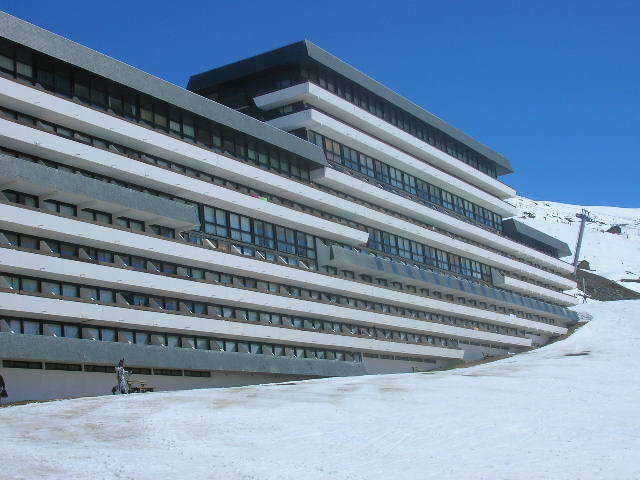
Image: Home insurance in the mountains.
3. Storms, avalanches and other extreme weather events
Storm and severe weather cover may protect against damage caused by strong winds or certain weather events, depending on the policy terms. Check any applicable wind-speed thresholds, which property elements are insured and how the policy distinguishes between storm damage, water ingress and natural disasters.
Avalanches also require particular attention: coverage should never be taken for granted. Depending on the policy and the circumstances, compensation may fall under a specific insurance provision or the natural disaster compensation scheme, provided the applicable legal requirements are met.
Remember to review policy exclusions and the procedures for reporting a claim.

Theft, vandalism and the property owner’s liability
A property left empty for several months may be more vulnerable to break-ins. Theft and vandalism cover therefore deserves careful consideration. Check the requirements regarding locked doors and windows, reinforced locks, maximum periods of unoccupancy and any evidence required when making a claim.
Property owner’s liability insurance is equally important. It may cover damage originating from your property and affecting a neighbour or another third party, for example following a water leak.
Finally, review any additional benefits, including debris removal, alternative accommodation, loss of rental income and compensation for furniture and personal belongings. These protections are not automatically included in every policy.
Insurance coverage comparison table
| Coverage to check | Key points to consider |
|---|---|
| Snow and ice damage | Snow load, roof damage and consequential damage |
| Frozen pipes and water damage | Anti-freeze precautions, plumbing systems and excesses |
| Storms and severe weather | Covered events, insured property and exclusions |
| Avalanches | Specific cover or eligibility under the natural disaster compensation scheme |
| Theft and vandalism | Periods of unoccupancy, locks and security requirements |
| Public liability | Damage affecting neighbours, the condominium or third parties |
| Additional expenses | Alternative accommodation, debris removal, loss of rental income and compensation limits |
Primary Residence, Second Home or Holiday Rental: Which Insurance Should You Choose?
The right insurance policy depends primarily on how the property is used.
- For a primary residence, comprehensive home insurance provides broad protection against major risks, depending on the coverage selected. If the property is part of a condominium, the owner must at least have third-party liability insurance.
- For a second home, choose a policy that explicitly accounts for extended periods of absence and cold-weather risks. Whether you are insuring a chalet or an apartment in a ski resort, pay particular attention to frost damage, snow-related risks and conditions applying when the property is unoccupied.
- For a property offered as a holiday rental, make sure that its rental use has been declared to the insurer and is covered by the policy. Non-occupying owner insurance (PNO) may provide additional protection, particularly when the property is vacant or a claim involves the owner’s liability. However, it does not automatically replace all the cover required for a rental property. Liability insurance must also be appropriate for the situation, while the insurance obligations of tenants and owners vary according to the property’s legal status and the applicable regulations.
Before taking out a policy, compare the coverage, excesses, compensation limits and exclusions rather than focusing solely on the premium.
Condominium building insurance: essential protection
In a condominium, the owners’ association must take out insurance covering at least its third-party liability. Depending on the policy, this collective insurance protects against the consequences of damage involving common areas.
However, it does not replace each owner’s individual insurance, which remains necessary to cover their personal liability and, depending on the policy selected, damage affecting their apartment.
In mountain resorts, it is particularly useful to check that the building’s insurance takes account of risks associated with snow, frost and severe weather.
What Are the Best Home Insurance Options for Mountain Properties?
There is no single home insurance policy that is universally best for every property at high altitude. The right choice depends on the property’s location, how it is occupied and whether it is used for seasonal holiday rentals.
When comparing policies, review the coverage offered by insurers such as MAIF, MATMUT, AXA and GROUPAMA.
Pay particular attention to the risks associated with your property’s location. You should also compare excesses, compensation limits and optional cover designed for second homes or holiday rentals before taking out a policy.
Conclusion: Review Your Insurance Cover Before Winter
Preparing your property for the cold season involves more than checking the heating or protecting the pipes. Home insurance for mountain properties must also account for the weight of snow, frost, periods of unoccupancy and the way the property is used.
Before winter arrives, take the time to review your policy, check its exclusions and confirm that the coverage matches your circumstances. For a second home or an apartment rented out in a ski resort, this simple precaution can help protect your property investment over the long term.
Charly G.