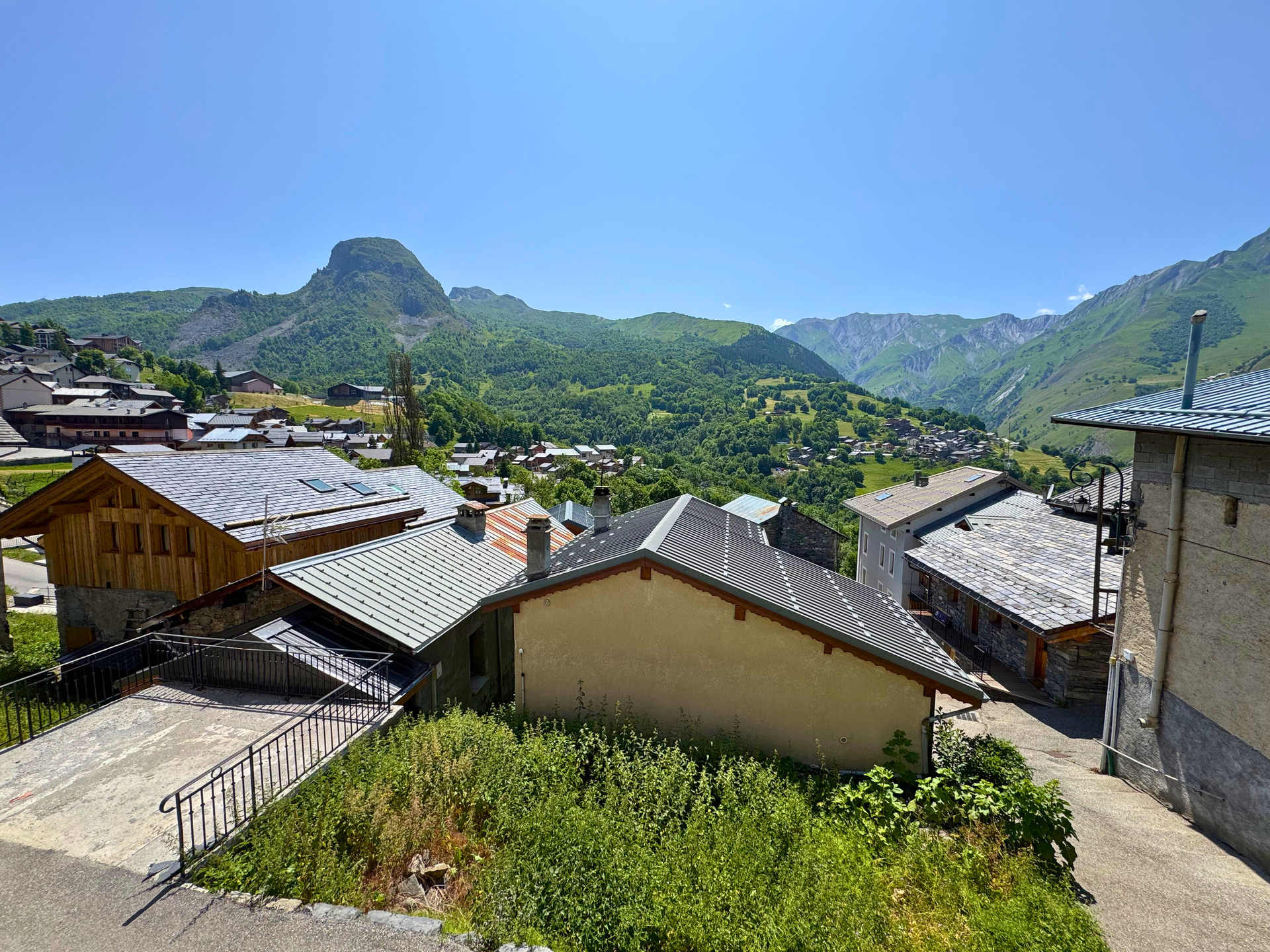
LMNP vs unfurnished rentals in the mountains: which option should you choose to maximise your profitability?

Property in ski resorts continues to attract many investors seeking an investment that is both a sound asset and a profitable venture. Given the Alps’ appeal to tourists, the buoyancy of the mountain property market and the growing popularity of week-long holidays, investing in mountain rental properties remains a preferred strategy for diversifying one’s property portfolio.
But one question keeps coming up among landlords: should they opt for a furnished let under the LMNP mountain scheme, or go for an unfurnished let?
The decision is not based solely on rent levels. Property taxation, net yield, service charges, rental vacancies, rental management and even personal use of the property: several factors directly influence the profitability of a winter sports apartment.
In a ski resort such as Les Menuires or St Martin de Belleville, where seasonal demand remains very high, the LMNP status is attracting more and more investors. However, traditional letting also retains certain advantages depending on individual profiles and wealth management objectives.
So, LMNP or standard rental in the mountains: which option should you choose when renting out a flat in a ski resort? Here are the factors to consider before you get started.
Understanding the differences between LMNP and standard letting?
What is the LMNP status?
The non-professional furnished rental scheme (LMNP) allows you to rent out a property that is fully equipped so that the tenant can move in immediately. This includes, in particular, essential furniture, kitchen equipment and storage solutions.
Widely used in mountain property investment, the LMNP mainly applies to apartments in ski resorts intended for seasonal rental. This scheme offers a particularly attractive tax framework for owners wishing to maximise their mountain rental income.
There are two tax regimes:
- The micro-BIC scheme, with a flat-rate allowance on income
- The actual cost basis scheme, which allows for the deduction of expenses and the depreciation of the property and its fixtures and fittings.
In practice, the actual cost basis scheme is often one of the major advantages of the LMNP tax regime, as it can significantly reduce the tax liability on rental income.
How does a standard tenancy (unfurnished tenancy) work?
Unfurnished rentals in mountain areas involve letting out an unfurnished property, usually on a year-round basis. The income received is therefore classified as property income.
This model appeals to investors seeking greater stability and less tenant turnover. It often involves properties located in Alpine valleys inhabited year-round or in mixed-use communities around ski resorts. Unlike furnished ski resort rentals, unfurnished rentals generally involve lower rents, but more straightforward and predictable management.
The main differences between the two models:
| Criteria | LMNP in Mountain Areas (Furnished Rental) | Traditional Rental in Mountain Areas (Unfurnished) |
|---|---|---|
| Rental type | Furnished rental | Unfurnished rental |
| Rental duration | Short- or medium-term (often seasonal) | Long-term |
| Target tenants | Tourists, holidaymakers, short-stay visitors | Permanent residents |
| Tax system | BIC regime (Micro-BIC or Real Regime) | Rental income tax regime |
| Tax advantages | Yes, with potential property and furniture depreciation | More limited tax deductions |
| Rental income level | Generally higher | More moderate |
| Mountain rental profitability | Potentially higher | More stable but often lower |
| Rental income | Variable depending on seasonality and occupancy | Regular income throughout the year |
| Property management | More active (bookings, cleaning, guest check-in) | Simpler and more predictable |
| Vacancy risk | Strongly linked to tourism seasonality | Generally lower |
| Personal use of the property | Flexible depending on booking calendar | Often more restrictive |
| Costs to anticipate | Furniture maintenance, turnover, concierge services | More traditional property costs |
| Suitable investor profile | Investors seeking higher net returns and tax optimisation | Investors prioritising long-term stability |
| Rental yield in mountain resorts | Often higher in ski resorts | More secure but generally lower |
Why is the LMNP scheme particularly popular in the Alps?
Strong demand for furnished holiday rentals
In the Alps, the majority of holidaymakers are looking for ready-to-move-in accommodation for stays ranging from a few days to several weeks, depending on their budget.
Furnished rentals, particularly in ski resorts, therefore perfectly meet the demands of the tourism market.
During the winter months, but also during the summer holidays, well-located apartments often enjoy excellent occupancy rates. Well-known resorts such as Les Menuires benefit from consistent visitor numbers thanks to their ski areas, summer activities and the appeal of the great outdoors.
For a profitable investment, holiday rentals therefore offer attractive potential for rental income.
Potentially higher rents
The main advantage of the LMNP mountain scheme lies in its ability to generate a higher rental yield than a standard unfurnished let.
A ski resort apartment can be let on a weekly basis during periods of high demand at rates significantly higher than those for a standard long-term let.
In high season, certain properties located near the slopes or the resort centre achieve particularly attractive returns. This explains why the best rental investment in a ski resort is often associated with furnished lets.
The tax benefits of the LMNP scheme
The LMNP tax regime is one of the key selling points for investors.
- Under the actual income regime, it is possible to deduct several items:
- Loan interest
- Rental management fees
- Service charges
- Insurance
- Certain renovation works
- Depreciation of furniture and the property
Result: in many cases, the landlord significantly reduces their tax liability on their mountain rental income.
Zoom! Our hands-on experience at Agence des Alpes

Why does the LMNP scheme work well in ski resorts?
In mountain resorts, the practical value of a furnished property is very high. Holidaymakers are primarily looking for a functional, well-equipped flat that is available for flexible periods; this naturally favours the LMNP model, which is particularly well-suited to tourist resorts where demand is very high.
What are the advantages of letting unfurnished properties?
More stable and predictable management
Although the LMNP mountain scheme offers certain advantages, traditional letting still has many benefits. With a year-round tenant, management is generally simpler: fewer check-ins and check-outs, less cleaning, fewer logistical issues, and fewer seasonal uncertainties!
For some investors, this stability remains a key factor.
A steady annual income
Renting out unfurnished properties provides a steady stream of rental income without being directly dependent on the tourist season or snow conditions. The risk associated with holiday rentals can therefore be reduced in certain areas where there is a demand for permanent residential accommodation.
This model may be more suitable for investors seeking, above all, to safeguard their assets rather than maximise rental returns.
A solution tailored to certain types of homeowners
Traditional letting may be suitable for the following groups:
- Investors with limited availability
- Owners who live far from their property
- Those seeking a hands-off approach to property management
- Properties less suited to tourism
- Long-term strategies focused on building a property portfolio
Profitability: which model is the most attractive for a ski resort?
Comparison of rental income
In most ski resorts, the LMNP scheme allows for higher rental income, provided that the occupancy rate is satisfactory.
Let’s take the example of a well-located studio apartment:
- Unfurnished rental: more moderate fixed monthly income
- Seasonal rental: concentrated income but potentially much higher during the tourist season
The net return then depends on service charges, taxation and rental management fees in mountain resorts.
Taxation and anticipated costs
When calculating the profitability of a mountain apartment, several factors must be taken into account: property taxes, caretaker fees, service charges, energy consumption, furniture maintenance, and any commissions.
The LMNP scheme generally involves higher management costs, but these costs can be offset by higher income and favourable tax treatment.
The impact of occupancy rates in mountain resorts
Rental returns depend heavily on the property’s occupancy rate. An apartment in a prime location within the resort can generate excellent rental income. Conversely, a property in a slightly less desirable location or one that is ageing may be more difficult to make profitable.
The quality of the property, its interior design, proximity to the slopes and amenities, and the pricing strategy all play a crucial role.
Comparative case study (studio/one-bedroom flat in Les Menuires or a similar resort)
Let’s take a one-bedroom apartment (T2) located in Les Menuires, purchased for €260,000
| Scenario #1: Traditional / Unfurnished Long-Term Rental in the Mountains | Scenario #2: Seasonal Rental under LMNP Status |
|---|---|
| Monthly rent: €900 | Average winter weekly rate: €1,050 |
| Annual income: €10,800 | Average summer weekly rate: €550 |
| Taxation: Standard rental income taxation | Occupancy rate: 20 weeks/year |
| Limited management requirements | Higher operating and management costs |
| Gross yield: 3.9% | Optimized LMNP taxation through depreciation / Gross yield: approx. 6.3% |
In this example, the LMNP scheme (unfurnished rental) clearly demonstrates that furnished rentals offer greater potential for profitability, provided there is a sound marketing and management strategy in place.
Factors to consider before making a choice
Before deciding between a furnished and an unfurnished rental, there are several factors to consider.
Wealth management
Would you like to?
- Generate cash flow quickly?
- Build up the value of your property portfolio over the long term?
- Plan for a second home?
- Optimise your tax situation?
The best choice often depends on the strategy you’re aiming for!
Time available for management
Renting out holiday accommodation in the mountains requires a great deal of organisation, including managing bookings, welcoming guests, maintaining the property, keeping track of the calendar, dealing with complaints, and making the most of off-peak periods.
Using an agency such as Agence des Alpes, which specialises in rental management, allows you to delegate these tasks whilst securing rental income for your property.
Seeking professional advice to maximise your property investment
Your mountain property investment project is not limited to simply buying a property. Success depends on several factors, such as rental positioning, tax strategy, booking management, the standard of facilities, and analysis of the property market.
Seeking guidance from a local professional enables you to gain a realistic view of rental returns in the mountains and avoid certain common pitfalls.
In St Martin de Belleville, as in many Alpine resorts, travellers’ expectations are changing rapidly. A tailored rental management strategy can make a real difference to the property’s performance.
Before choosing between the LMNP scheme and unfurnished rentals, it is essential to carry out a thorough and accurate profitability assessment. This allows you to anticipate costs, potential income and management constraints specific to your project.
There is no one-size-fits-all answer when it comes to choosing between the LMNP scheme and traditional rental in the mountains.
Each model has its own advantages depending on the investor’s profile, their financial objectives and the desired level of profitability. Before embarking on a rental investment in the mountains, it is best to carefully assess your situation, your objectives and the actual potential of the property in question.
Would you like to know the potential return on your apartment in a ski resort or receive support with your rental management project? Consulting a local professional and an agency with expertise in the field often helps ensure the right decisions are made from the outset.
Charly.G